Mandarin: A Fun Font for Business
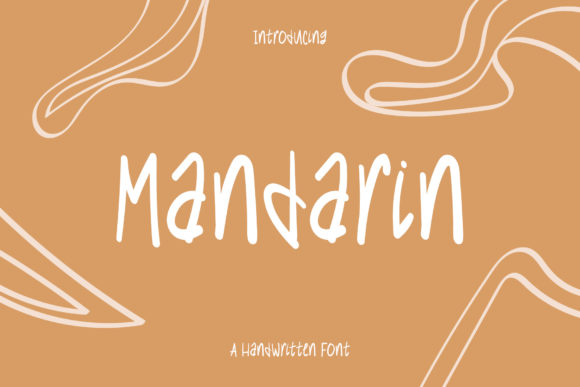
It started with a simple question: how do I make my small business feel more polished and memorable? I run a little online shop selling handmade soaps and candles, and while the products are good, the branding felt a bit off. The fonts I was using were generic, and nothing really stood out. Then I discovered Mandarin, a handwritten script font that brought a fresh, authentic energy to everything I created.
Mandarin is playful yet professional, with a personality that feels like it was made for small businesses. It’s not too fancy, but it has just enough flair to make a statement. Whether I’m designing labels for my candle jars or creating social media posts, Mandarin adds a touch of warmth and creativity that makes my brand feel more connected to customers.
How Mandarin Fits Into Everyday Business Needs
One of the first things I used Mandarin for was my product packaging. My soap boxes had a clean, modern look, but they lacked character. Adding Mandarin to the product names and taglines gave them a personal, handmade feel that customers loved. It wasn’t just about looking good—it was about making my brand feel more approachable and genuine.
I also used Mandarin on my social media graphics. My Instagram posts needed a little more visual interest, and using Mandarin for captions and headlines helped create a cohesive look across all my content. It worked especially well for promotional banners and holiday-themed posts, where a bit of personality goes a long way.
Another area where Mandarin made a difference was in my thank-you cards. I started sending personalized notes with every order, and using Mandarin made those messages feel more thoughtful and sincere. It added a nice touch that customers noticed and appreciated.
Why Mandarin Works for Branding
Mandarin is perfect for logos, product labels, and packaging because it’s both readable and expressive. It works best for short phrases, headlines, and display text—things that need to catch attention without being overwhelming. For example, on my candle labels, I used Mandarin for the scent names and a clean sans serif font for the ingredients and instructions. The combination looked professional and easy to read.
When using Mandarin on small labels or printed materials, I found that keeping the text short and simple was key. On my candle jars, I only used it for the main name, and that was enough to make a big impact. For mobile screens or social media thumbnails, I made sure the font size was large enough to be legible at a glance.
Mandarin also pairs well with other fonts. I often use it alongside a modern sans serif for body text or a classic serif for more formal designs. This helps balance the handcrafted feel of Mandarin with the structure of other typefaces, making the overall design feel more refined.
What Makes Mandarin Unique
What sets Mandarin apart from other script fonts is its natural, handwritten style. It doesn’t feel overly stylized or difficult to read. Instead, it has a friendly, inviting quality that makes it perfect for brands that want to feel authentic and creative. It’s not too bold or too delicate, which makes it versatile for different types of projects.
Another thing I appreciate about Mandarin is how it can be used across multiple platforms. Whether I’m designing a website banner, creating a flyer, or updating my online shop graphics, the font maintains a consistent look that strengthens my brand identity. It’s also available in different weights and styles, which gives me flexibility when working on various design elements.
For anyone considering Mandarin, I’d recommend checking the file formats and licensing options before using it on products or client work. Making sure the font is properly licensed for commercial use is important, especially if you’re selling items or working with other designers.
Using Mandarin in Real-World Scenarios
Let’s say you own a small café and want to redesign your menu. Using Mandarin for the headings and special offers can give your menu a more personalized, artisanal feel. Pair it with a clean serif font for the item descriptions, and you’ll have a menu that looks both professional and welcoming.
If you’re a beauty brand updating your skincare labels, Mandarin can add a soft, elegant touch to your product names and key benefits. It works especially well for handmade or organic products, where the font’s authenticity matches the brand’s values.
For an online shop, using Mandarin in your email newsletters or promotional banners can help create a more engaging and visually appealing experience for customers. It’s a great way to stand out in a crowded marketplace without sacrificing readability or professionalism.
Whether you’re a baker, a candle maker, a boutique owner, or a digital creator, Mandarin offers a way to elevate your brand’s visual presence. It’s a font that feels like it was made for real people with real businesses, and that’s what makes it so effective.
Final Thoughts on Mandarin
Choosing the right font isn’t just about aesthetics—it’s about how it helps your brand connect with customers. Mandarin does that by adding a sense of warmth, creativity, and authenticity to every design. It’s a font that feels right for small businesses that want to look polished, yet still feel human.
From product labels to social media posts, Mandarin has become an essential part of my design toolkit. It’s a reminder that even small details, like typography, can have a big impact on how a brand is perceived. And for any entrepreneur looking to improve their visuals, Mandarin is a great place to start.